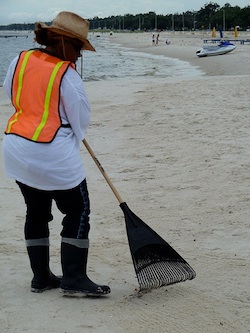
Willie Seaman of Irvington, AL, lays carpet and floors for a living. But last summer, as the BP well gushed thousands of barrels of oil daily into the Gulf, Seaman signed up with the BP cleanup program, working on a shrimp boat several miles off shore.

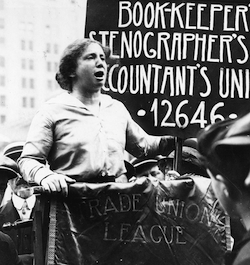 On March 25, 1911, a fire caused by a wayward cigarette broke out at the Triangle Shirtwaist Factory in New York City. The workers scrambled to find safety from the life-stealing smoke and flames, and horror descended as they faced the realization that managers of the factory had chained most of the exits to the building over worries of worker theft (a common practice of the day).


 Editor's note: Today, a guest blogger explains some of the legal obstacles and opportunities for whistleblowers in the BP disaster. Lindsey Williams of the
 “
“
